
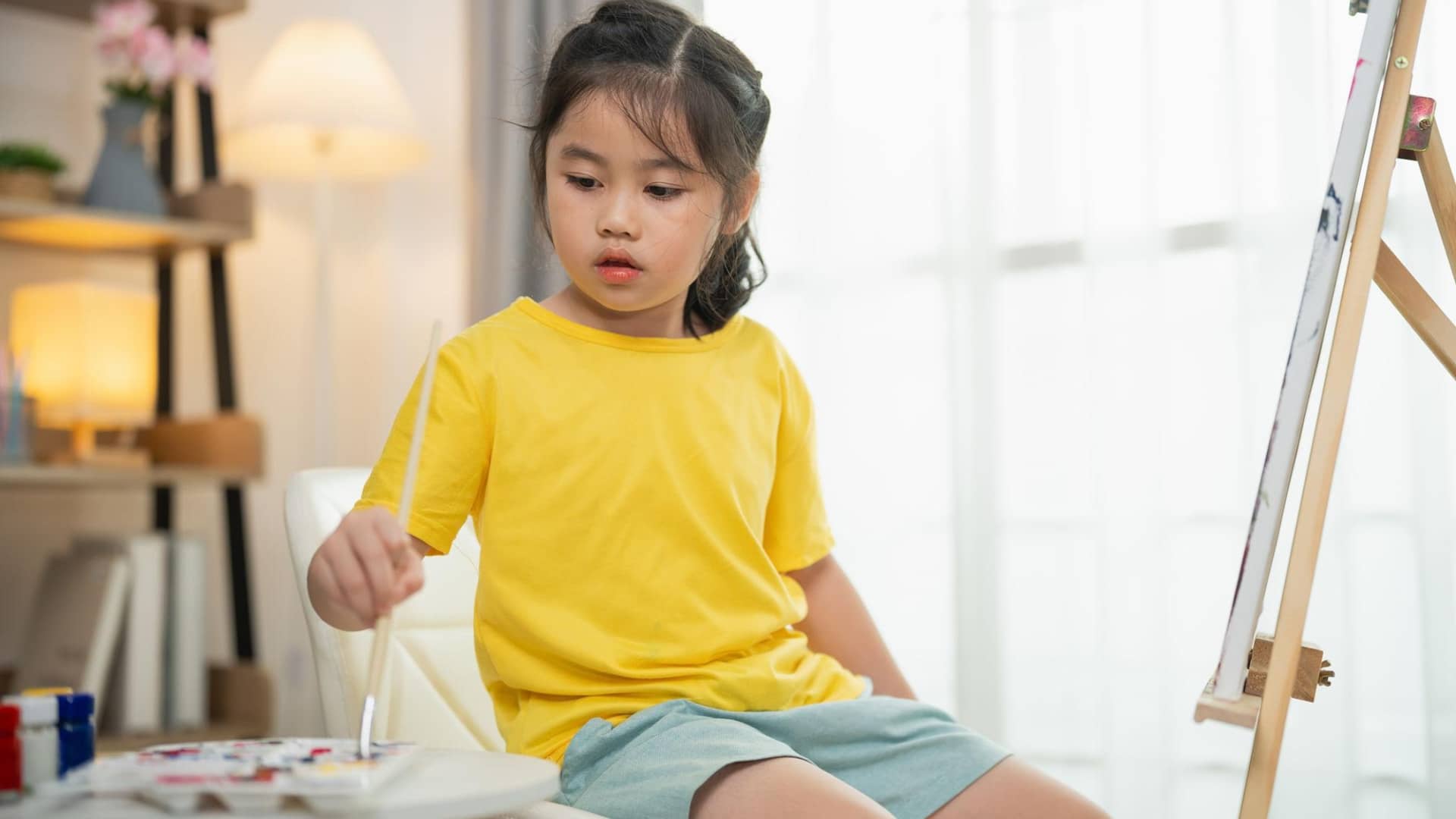
Every parent, educator, and caregiver has witnessed the magic moment when a child becomes completely absorbed in their own play world—building an elaborate block castle, creating imaginary scenarios with dolls, or quietly exploring a puzzle. These moments of independent play are far more valuable than simple entertainment; they’re foundational building blocks for your child’s cognitive, emotional, and social development.
How to encourage independent play effectively requires understanding both the science behind solo exploration and the practical strategies that make it happen consistently. This comprehensive guide will equip you with evidence-based techniques, real-world examples, and ready-to-use templates that transform any space into an environment where children naturally gravitate toward meaningful, self-directed activities.
Whether you’re a parent juggling work-from-home demands, an educator seeking to foster classroom independence, or a caregiver looking to support healthy development, this guide addresses your specific needs. We’ll explore everything from creating the perfect play environment to troubleshooting common resistance, ensuring you have the tools to make independent play a natural, joyful part of your child’s daily routine.
Independent play isn’t about leaving children to fend for themselves—it’s about creating structured opportunities for self-discovery, problem-solving, and creative expression. The strategies you’ll learn here have been tested in homes, classrooms, and childcare centers worldwide, consistently producing children who are more confident, creative, and capable of sustained focus.
What Is Independent Play and Why It Matters for Child Development
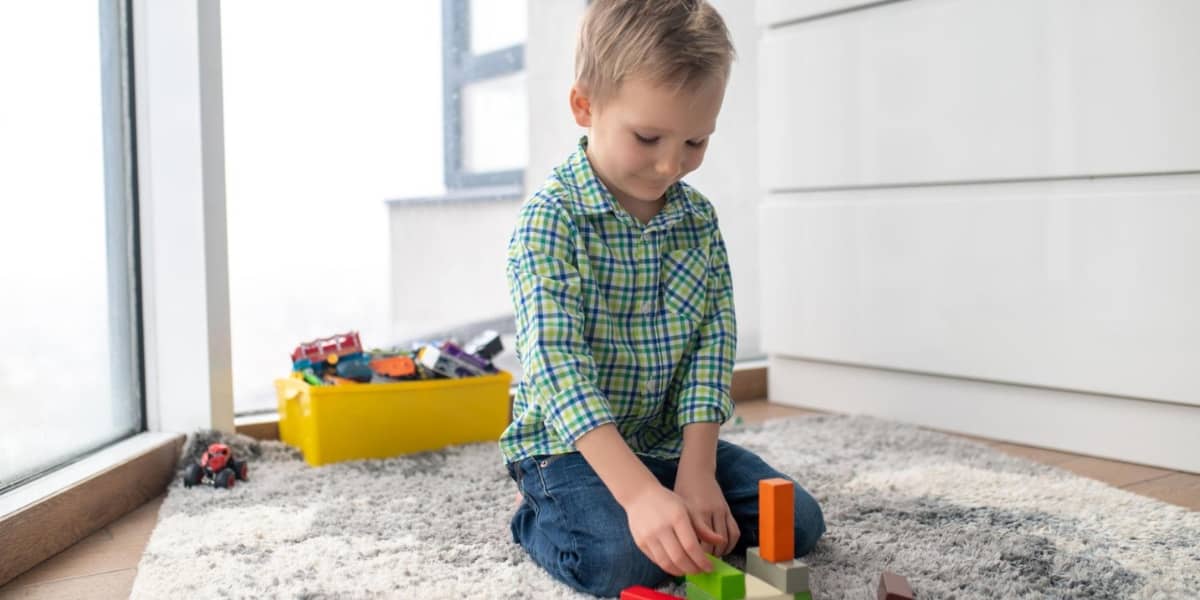
Independent play, also known as solitary play or self-directed play, occurs when children engage with toys, activities, or imaginative scenarios without requiring direct adult participation or peer interaction. This doesn’t mean children are isolated or ignored—rather, they’re operating within a safe, structured environment where they feel confident exploring on their own terms.
The distinction between independent play and abandonment is crucial. True independent play happens when children have access to appropriate materials, feel secure in their environment, and know that caring adults are nearby if needed. It’s characterized by sustained engagement, self-chosen activities, and the child’s natural curiosity driving the experience forward.
Research from developmental psychology consistently demonstrates that independent play serves as a cornerstone for multiple areas of growth. When children engage in solo activities, they practice executive function skills—the mental processes that include working memory, flexible thinking, and self-control. These skills directly correlate with academic success, emotional regulation, and social competence throughout life.
The cognitive benefits of independent play are particularly striking. During solo exploration, children engage in what psychologists call “divergent thinking”—the ability to generate multiple solutions to problems and see connections others might miss. A child building with blocks isn’t just stacking objects; they’re experimenting with balance, spatial relationships, cause and effect, and creative problem-solving. When they encounter a challenge—perhaps their tower keeps falling—they naturally develop persistence, hypothesis testing, and iterative improvement skills.
Emotionally, independent play provides children with opportunities to process experiences, work through feelings, and develop emotional regulation strategies. The doll play where a child recreates their doctor visit, the artwork that expresses feelings they can’t verbalize, or the imaginative scenarios that help them feel powerful and capable—all of these contribute to emotional intelligence and resilience.
Social development might seem counterintuitive during solo play, but children actually practice social skills even when alone. They engage in pretend conversations, work through social scenarios, and develop empathy by taking on different roles and perspectives. This internal practice translates directly to more confident, skilled social interactions when they rejoin group activities.
The long-term benefits extend well beyond childhood. Adults who experienced rich independent play opportunities as children often demonstrate greater creativity in problem-solving, higher comfort levels with solitude, stronger intrinsic motivation, and better work habits. They’re more likely to pursue hobbies, engage in lifelong learning, and maintain mental health through self-directed activities.
Understanding these benefits helps frame independent play not as a convenience for busy adults, but as an essential component of comprehensive child development that deserves intentional cultivation and protection in our increasingly overscheduled world.
When and How to Start Encouraging Independent Play
The foundation for successful independent play begins much earlier than most parents realize, and the approach varies significantly based on developmental stages, individual temperament, and family circumstances. Understanding when and how to introduce independent play concepts ensures you’re building on your child’s natural development rather than fighting against it.
Developmental Readiness Indicators
For infants (6-12 months), independent play manifests as brief periods of contentment while exploring safe objects within reach. You’ll notice your baby becoming absorbed in examining their hands, mouthing toys, or watching sunlight patterns on the wall. These early moments of self-directed attention are precursors to more complex independent play, and they should be celebrated and gently extended.
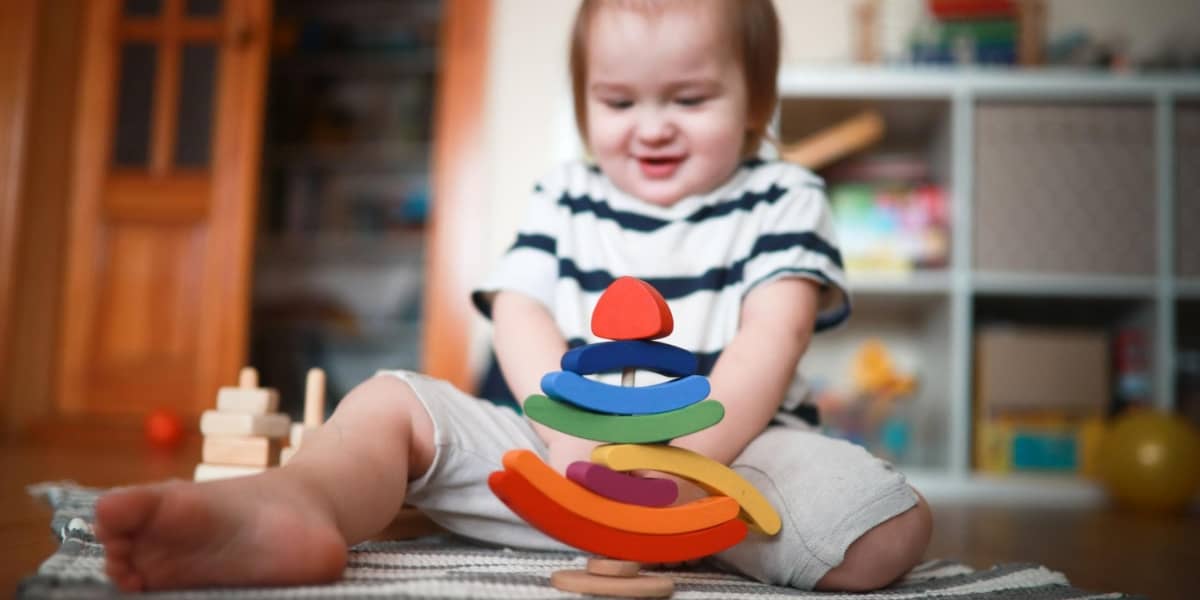
Toddlers (12-24 months) begin showing clear signs of readiness when they can focus on simple activities for 2-3 minutes without seeking adult intervention. They might stack cups, turn book pages, or engage in simple cause-and-effect toys. The key indicator is their ability to return to an activity after a brief interruption, suggesting developing attention spans and intrinsic motivation.
Preschoolers (2-5 years) demonstrate readiness through sustained engagement with preferred activities, ability to follow simple self-chosen sequences, and beginning signs of imaginative play. They might spend time arranging toys, creating stories, or engaging in repetitive activities that serve their developmental needs.
School-age children (5+ years) show readiness through project-based thinking, ability to plan and execute multi-step activities, and growing comfort with challenge and frustration. They can often verbalize their play plans and show pride in independent accomplishments.
Common Misconceptions and Barriers
Many well-intentioned adults inadvertently undermine independent play development through several common misconceptions. The belief that children must be constantly entertained or stimulated leads to over-programming and reduces opportunities for self-directed exploration. Similarly, the misconception that independent play means children are lonely or bored prevents adults from allowing the natural quiet moments that spark creativity.
Cultural factors also influence comfort levels with independent play. Some families worry that encouraging solo activities conflicts with communal values or might indicate neglect. Understanding that independent play actually strengthens family bonds by helping children develop skills that enhance group interactions can alleviate these concerns.
Safety concerns, while legitimate, sometimes become barriers to age-appropriate independence. Creating genuinely safe spaces allows for confident independent play without constant supervision anxiety. This might mean baby-proofing an entire room rather than restricting children to small, controlled areas.
Starting Strategies by Age Group
For young toddlers, begin by sitting near them during preferred activities, then gradually increasing the physical distance while maintaining emotional availability. Start with activities that already capture their natural interest—if they love cause-and-effect toys, create a dedicated space with various options they can explore independently.
Preschoolers benefit from “play invitations”—carefully arranged materials that suggest activities without prescribed outcomes. A tray with various materials for sorting, building, or creating invites exploration while providing structure. The key is offering just enough materials to be interesting without overwhelming choice paralysis.
School-age children can handle more complex setups and longer timeframes. They often appreciate having dedicated independent play times built into family schedules, treating it as special time rather than abandonment. They can also participate in creating their own independent play materials and spaces.
The transition process should always be gradual and responsive to individual children’s needs and reactions. Some children embrace independent play immediately, while others need weeks or months to develop comfort and skills. Both responses are normal and should be honored while continuing to provide gentle, consistent opportunities for growth.
10 Proven Strategies to Encourage Independent Play at Home
1. Create Dedicated, Child-Centered Play Spaces
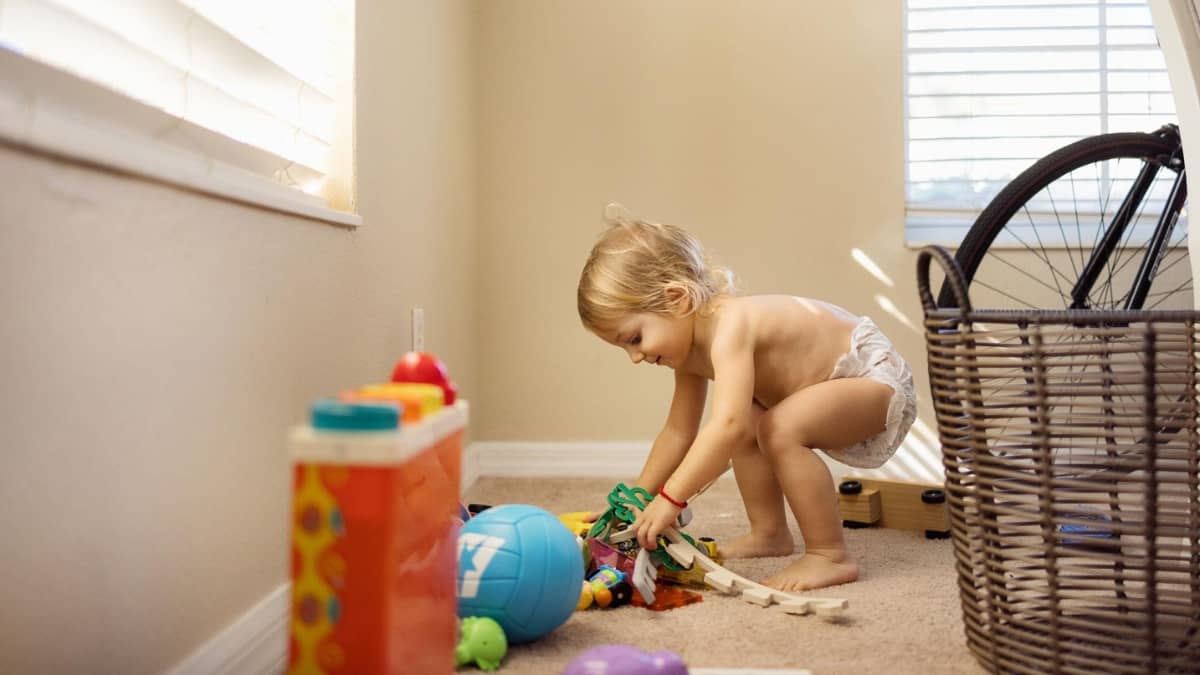
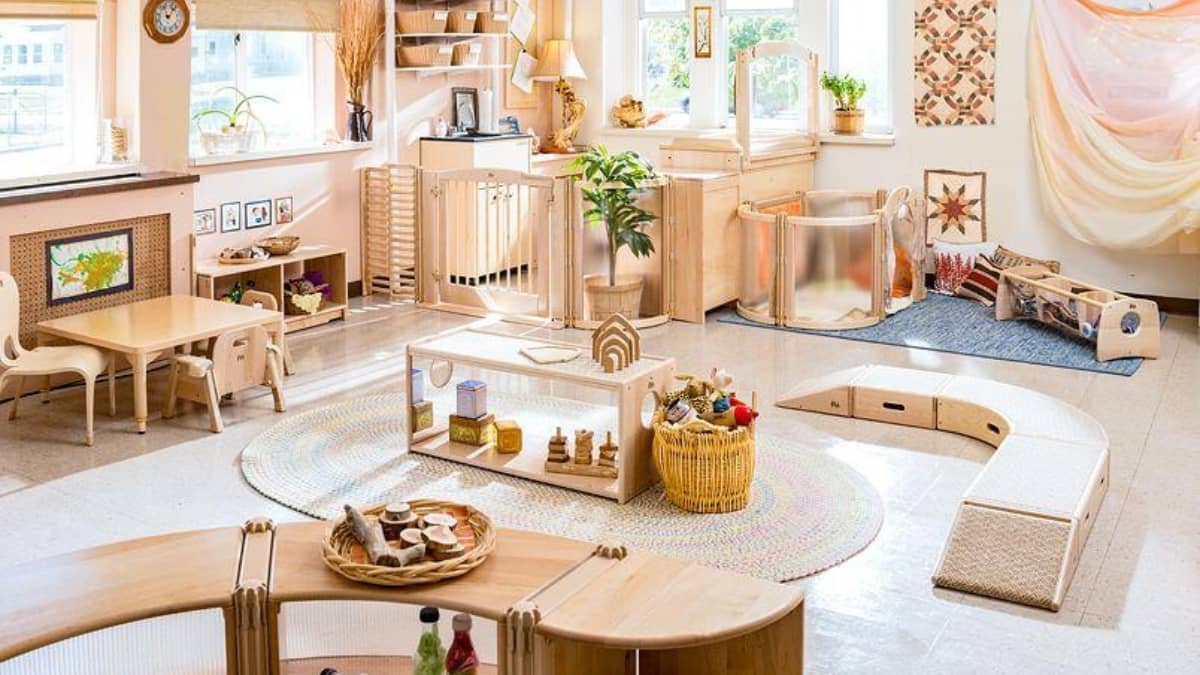
The physical environment serves as the foundation for successful independent play, and creating spaces that truly serve children’s developmental needs requires thoughtful planning beyond simply designating a corner for toys. Effective play spaces balance stimulation with calm, accessibility with organization, and safety with appropriate challenge.
Start by observing where your child naturally gravitates for play activities. Some children prefer cozy, enclosed spaces that feel secure, while others need room to spread out and move. Honor these preferences while ensuring the space receives natural light, maintains comfortable temperature, and stays relatively quiet during designated play times.
The height and accessibility of storage solutions dramatically impacts children’s ability to engage independently. Install shelves, hooks, and storage bins at child height, ensuring they can see available options without adult assistance. Use clear containers or picture labels so children can identify contents and return materials independently.
Consider creating multiple micro-environments within a larger play space—a quiet corner with pillows and books, a table for detailed work like puzzles or art, and an open floor area for building or active play. This variety accommodates different moods and activities while maintaining organization.
Safety considerations extend beyond removing obvious hazards to creating an environment where children feel confident exploring without constant adult oversight. This might mean securing furniture to walls, using cordless window treatments, and ensuring all accessible items are age-appropriate and non-toxic.
2. Implement Strategic Toy Rotation Systems
Toy rotation transforms the same collection of materials into constantly fresh opportunities for exploration, preventing the overwhelming clutter that often leads to unfocused play while maintaining novelty that sustains interest. Effective rotation systems require planning but quickly become routine habits that significantly enhance play quality.
Begin by sorting your child’s toys into three or four categories based on type—building materials, art supplies, puzzles and games, imaginative play props, and sensory materials. Within each category, create two or three subcollections that offer variety while maintaining coherent themes.
The rotation schedule depends on your child’s attention patterns and the amount of available materials. Weekly rotations work well for most families, providing enough time for deep exploration while preventing boredom. Some families prefer rotating categories on different schedules—perhaps building toys change every two weeks while art supplies rotate weekly.
Store non-current rotation items completely out of sight to prevent the “grass is greener” phenomenon where children lose interest in available toys while fixating on stored ones. Clear, labeled containers stored in closets or under beds work well for most families.
Document what’s in each rotation set with photos or simple lists, helping you track what combinations work well and ensuring balanced offerings. Notice which combinations sustain longest engagement and which seem to spark new creative connections.
3. Master the Art of Invitation-Based Play Setups
Play invitations transform passive toy collections into active exploration opportunities by thoughtfully arranging materials that suggest possibilities without prescribing outcomes. These setups honor children’s natural curiosity while providing just enough structure to spark engagement.
Effective invitations balance familiarity with novelty, offering materials children recognize alongside new tools or combinations they haven’t encountered. A familiar play dough might be accompanied by new cookie cutters, or familiar blocks might be arranged near materials for making ramps and pathways.
The presentation matters significantly—materials arranged on trays, in baskets, or on dedicated spaces signal intentionality and specialness that captures attention. The visual appeal of a thoughtfully arranged invitation often proves irresistible to children, drawing them naturally into engagement.
Consider seasonal connections, current interests, or recent experiences when creating invitations. A child fascinated by the construction site near your home might be drawn to an invitation featuring small construction vehicles, blocks, and sand. A recent nature walk might inspire invitations featuring collected leaves, magnifying glasses, and art materials for documenting discoveries.
Change invitations frequently enough to maintain novelty but not so rapidly that children don’t have time for deep exploration. Some invitations might stay available for several days if they’re generating rich engagement, while others might be refreshed daily.
4. Develop Transition Rituals and Clear Communication
Children thrive with predictable routines that help them navigate between different types of activities, and successful independent play often hinges on smooth transitions that don’t feel abrupt or jarring. Developing consistent rituals around beginning and ending independent play creates security and anticipation rather than resistance.
Verbal and visual warnings help children prepare mentally for transitions. A simple sequence like “In ten minutes, we’ll start independent play time… in five minutes… in one minute… now it’s time for independent play” gives children opportunity to finish current thoughts and prepare for the transition.
Create special rituals that mark the beginning of independent play time—perhaps lighting a special candle, playing particular music, or arranging materials together. These rituals signal the transition while building positive associations with solo exploration time.
Visual schedules work particularly well for children who struggle with transitions or those who benefit from concrete representations of abstract concepts like time. Simple pictures showing group time followed by solo play time followed by group time again help children understand the temporary nature of independent play.
End independent play with equally thoughtful attention, providing warnings and celebrating what was accomplished. Rather than abruptly interrupting, give children opportunity to bring their activities to natural stopping points while sharing what they discovered or created.
5. Harness the Creative Power of Strategic Boredom
Modern children rarely experience true boredom, as adults often rush to fill quiet moments with entertainment or structured activities. However, strategic boredom—intentionally created spaces free from external stimulation—serves as a powerful catalyst for creativity and internal motivation development.
When children announce boredom, resist the immediate urge to provide solutions or entertainment. Instead, normalize boredom as a natural experience that often precedes creativity. Simple acknowledgment like “You’re feeling bored right now” validates their experience without rushing to fix it.
Provide gentle scaffolding for children who seem genuinely stuck by suggesting they brainstorm possibilities rather than offering specific activities. Questions like “What are three things you could do right now?” or “What materials haven’t you played with recently?” guide them toward self-generated solutions.
Create “boredom busters” lists collaboratively during calm moments, noting activities your child enjoys when they’re genuinely interested. Having these pre-made lists available during bored moments provides options without requiring immediate adult creativity.
Distinguish between productive boredom and genuine distress, particularly for younger children or those with developmental differences who might need more support navigating unstructured time. The goal is stretching comfort zones, not creating anxiety or abandonment feelings.
6. Perfect the Balance of Presence and Absence
One of the most challenging aspects of encouraging independent play involves calibrating your own presence—being available enough that children feel secure while absent enough that they don’t rely on constant adult direction or entertainment.
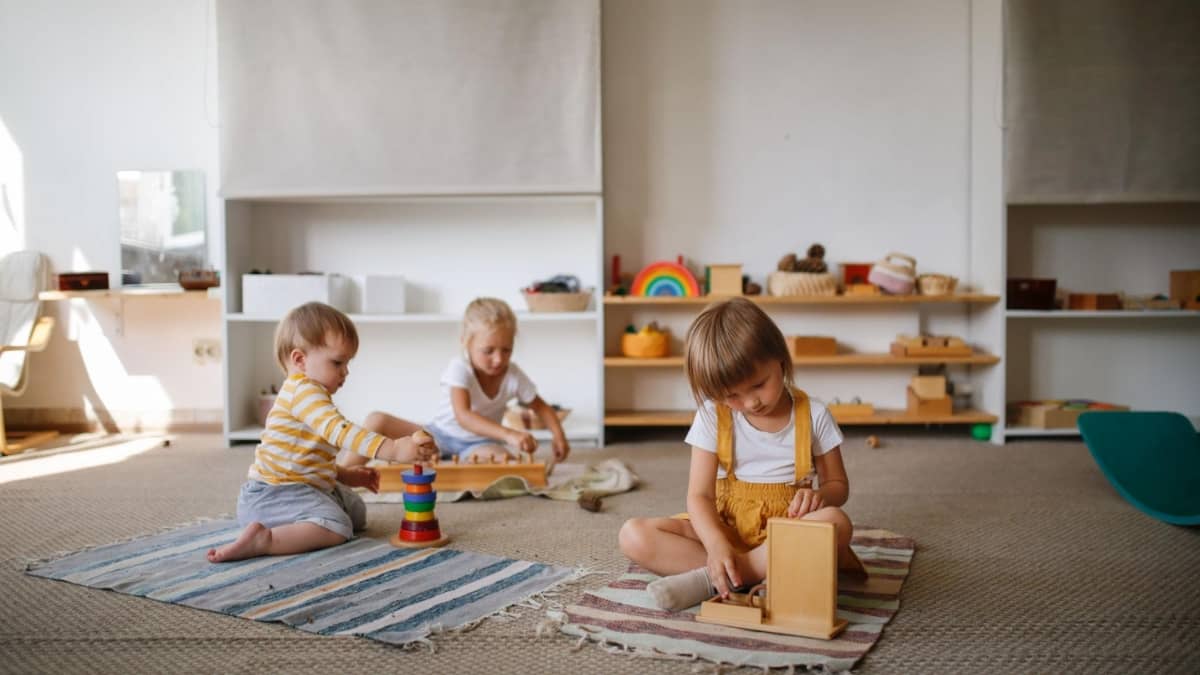
Physical positioning significantly impacts children’s independence levels. Staying visible but not actively engaged often works well initially—you might read, work on adult tasks, or engage in your own independent activities while children play nearby. This parallel presence provides security while modeling independent focus.
Gradually increase physical distance as children demonstrate comfort and engagement. You might move from sitting next to them to sitting across the room, then to adjacent rooms while maintaining vocal contact, and eventually to different areas of the home while checking periodically.
Develop subtle ways of monitoring play without interrupting focus. Learning to observe play patterns without immediately commenting or intervening allows you to appreciate your child’s process while identifying when genuine support might be needed.
Practice resisting the urge to join play unless specifically invited, and even then, consider whether your participation enhances or interrupts your child’s process. Sometimes children invite adults because they’re habituated to shared play rather than because they genuinely need or want adult participation.
7. Choose Materials That Maximize Engagement Potential
The toys and materials available during independent play significantly influence both engagement duration and developmental benefit, with open-ended materials generally providing richer opportunities than single-purpose toys.
Building materials like blocks, magnetic tiles, or loose parts provide endless combination possibilities that grow with children’s skills and interests. Unlike toys with predetermined functions, building materials respond to children’s creativity rather than constraining it.
Art supplies offer similar open-ended potential, but successful independent art play requires thoughtful setup and age-appropriate tools. Pre-cutting paper, organizing supplies in accessible containers, and protecting work surfaces allows children to create without adult assistance while preventing overwhelming cleanup requirements.
Sensory materials engage children’s natural drive to explore textures, weights, temperatures, and other physical properties. Rice bins, water tables, kinetic sand, or play dough provide rich sensory experiences that often sustain longer engagement than more complex toys.
Natural materials bring outdoor experiences inside while providing open-ended exploration opportunities. Shells, stones, pinecones, feathers, or wood pieces offer endless sorting, building, and imaginative play possibilities while connecting children to natural world experiences.
8. Establish Sustainable Routines and Expectations
Consistency transforms independent play from occasional activities into natural, expected parts of daily rhythm, but sustainable routines must balance family needs with individual developmental requirements.
Build independent play time into daily schedules at times when children are naturally alert and content rather than tired, hungry, or overstimulated. Many families find success with morning independent play sessions when energy levels are high, though individual patterns vary.
Start with shorter time periods and gradually extend duration based on your child’s demonstrated capacity rather than arbitrary goals. A child who consistently engages for five minutes has mastered that duration and may be ready for seven or eight minutes, while a child who struggles with three minutes needs more support at that level.
Create family agreements about independent play expectations that honor everyone’s needs. Children might understand that independent play time allows parents to complete necessary tasks while children practice important skills, framing it as mutual benefit rather than adult convenience.
Develop backup plans for days when independent play feels particularly challenging due to illness, stress, or other factors. Having modified expectations prevents frustration while maintaining some consistency in routine.
9. Address Individual Learning Styles and Preferences
Children approach independent play with vastly different styles, preferences, and needs, and successful encouragement requires adapting strategies to honor individual differences rather than applying one-size-fits-all approaches.
Some children naturally gravitate toward quiet, detailed activities like puzzles, drawing, or building small constructions, while others need movement and space for their independent play to flourish. Notice your child’s natural preferences and create opportunities that build on existing interests rather than forcing uncomfortable activities.
Sensory preferences significantly impact independent play success. Children who seek sensory input might thrive with materials like kinetic sand, textured fabrics, or manipulative toys, while those who are sensory-sensitive might prefer calmer options like books, simple puzzles, or organized building materials.
Learning style differences also influence independent play preferences. Visual learners often enjoy art activities, pattern games, or building projects they can see develop. Auditory learners might prefer listening to stories, creating songs, or playing with materials that make interesting sounds. Kinesthetic learners typically need movement-based options like building, active play, or hands-on exploration.
Attention patterns vary widely among children, with some capable of deep focus for extended periods while others naturally prefer shorter bursts of activity with variety. Both patterns are normal and should be accommodated rather than forced to change.
10. Create Systems for Reflection and Celebration
Independent play skills develop through practice and positive reinforcement, and creating intentional opportunities to reflect on and celebrate independent play experiences builds intrinsic motivation while highlighting growth and development.
Develop simple ways of acknowledging independent play efforts that focus on the process rather than products. Comments like “You spent fifteen minutes building with those blocks” or “You tried several different approaches when that didn’t work” highlight skills and persistence rather than judging outcomes.
Create documentation systems that help both you and your child notice growth over time. This might involve simple photos of creations, brief notes about new skills observed, or charts tracking duration of engagement. The goal isn’t evaluation but rather celebration of progress.
Encourage children to share their independent play experiences when they choose to, but avoid requiring reports or demonstrations that might feel like performance pressure. Some children love showing their creations while others prefer private satisfaction in their accomplishments.
Connect independent play experiences to other areas of learning and development, helping children understand the broader value of their solo exploration time. A child who persevered through puzzle frustration can connect that persistence to other challenging situations they encounter.
Comprehensive Step-by-Step Implementation Guide
Successfully implementing independent play strategies requires systematic introduction that builds on existing routines while gradually expanding comfort zones for both children and adults. This detailed implementation process accounts for common obstacles while providing flexibility for different family situations and individual needs.
Week 1: Foundation Building and Environment Setup
Begin by spending several days observing your child’s current play patterns without making changes. Notice what naturally captures sustained attention, where they prefer to play, what times of day show highest engagement, and how they respond to different types of materials. This baseline observation prevents implementing strategies that conflict with natural preferences while identifying existing strengths to build upon.
Create or reorganize your designated play space using principles outlined earlier, but introduce changes gradually to prevent overwhelming feelings. If you’re establishing a completely new play area, involve your child in the setup process, allowing them to make choices about organization and arrangement within safety parameters.
Introduce the concept of “special independent play time” through simple conversations that emphasize the positive aspects—”You’re growing up and learning to play in new ways” rather than “You need to learn to play alone.” Frame independent play as an exciting skill development rather than adult convenience.
Week 2: Routine Introduction and Expectation Setting
Begin implementing brief independent play sessions during naturally calm, alert periods in your child’s day. Start with shorter durations than you think your child can handle to ensure initial success experiences rather than frustration.
Establish consistent verbal and visual cues that signal independent play time beginning and ending. These routines help children prepare mentally while building positive associations with solo exploration time.
Practice the physical positioning and involvement levels that support independent play without inhibiting it. You might need several attempts to find the right balance of availability and distance for your particular child.
Week 3: Expansion and Problem-Solving
Gradually extend independent play duration based on your child’s demonstrated comfort and engagement rather than predetermined goals. Some children will naturally expand their capacity quickly while others need more gradual progression.
Begin addressing common challenges that arise, using problem-solving approaches rather than abandoning efforts when initial resistance occurs. Most children need time to adjust to new expectations, and persistent gentle encouragement typically overcomes initial hesitation.
Introduce variety in materials and setup options while maintaining basic routine consistency. Too much change too quickly can undermine the security that routine provides, but some variety prevents boredom while building flexibility.
Week 4 and Beyond: Integration and Refinement
Focus on making independent play feel natural and integrated into family life rather than forced or artificial. Success happens when independent play becomes a welcomed part of daily rhythm rather than a task to be endured.
Continue refining environmental setup, material choices, and routine timing based on ongoing observation of what produces the richest engagement and most positive experiences for your individual child.
Begin extending independent play concepts to other areas of life—encouraging self-directed problem-solving, supporting interest-driven exploration, and building confidence in individual capabilities across multiple contexts.
Common Challenges and Evidence-Based Solutions
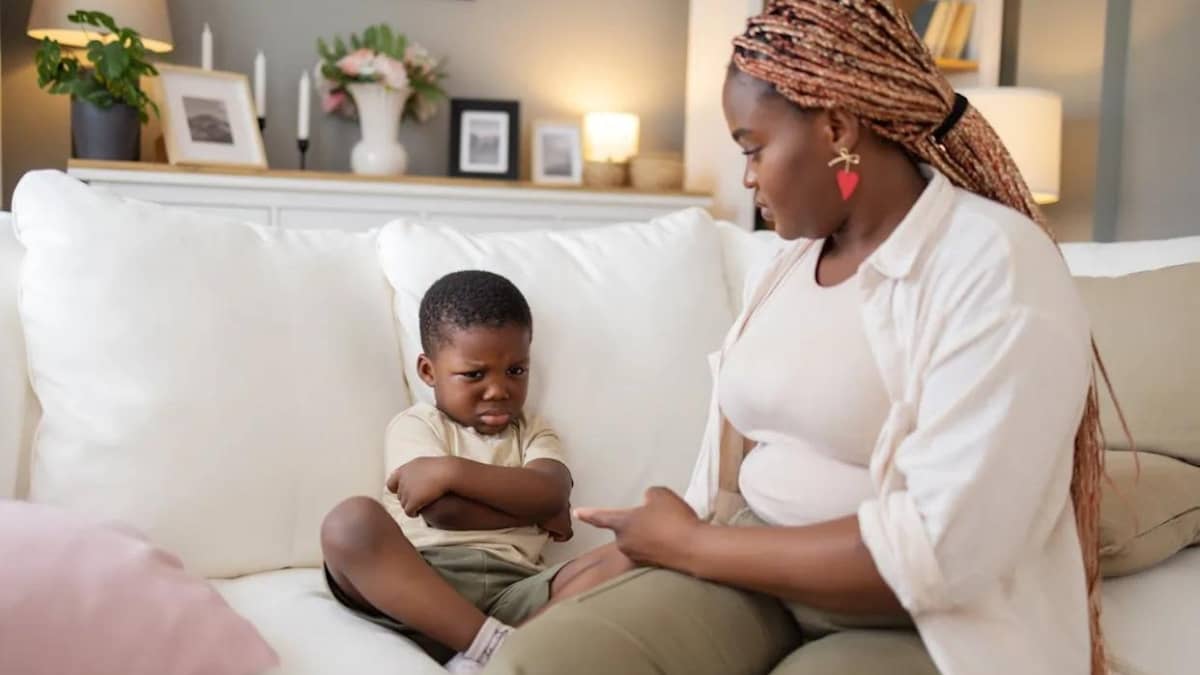
Even with careful planning and gradual implementation, most families encounter predictable obstacles when encouraging independent play. Understanding these common challenges and having proven solutions readily available prevents temporary setbacks from derailing long-term progress.
Challenge: “My child constantly interrupts independent play to ask for help”
This pattern often indicates that activities are slightly above your child’s current skill level or that they’ve become habituated to receiving immediate adult assistance with minor frustrations. The solution involves calibrating difficulty levels while building tolerance for productive struggle.
Begin by ensuring available activities match your child’s developmental capabilities with minimal frustration. If they’re constantly seeking help, the setup may be too challenging rather than appropriately engaging. Simplify options temporarily while building confidence and skills.
When children do seek help, provide minimal assistance that supports their problem-solving rather than solving problems for them. Questions like “What have you tried?” or “What do you think might work?” guide them toward solutions while maintaining their ownership of the play experience.
Practice brief wait times before responding to help requests, giving children opportunity to try additional approaches or realize they actually can handle the challenge independently. A simple “I’ll be over in just a minute” often results in children solving their own problems while waiting.
Challenge: “They refuse to play alone and demand constant entertainment”
Children accustomed to high levels of adult involvement or entertainment often initially resist independent play expectations, particularly in families where adult-directed activities have been the norm. This challenge requires patience and gradual expectation shifts rather than immediate demands for independence.
Start with parallel independence where you engage in your own independent activities while children play nearby. This models independent focus while maintaining the social connection they’re seeking. Gradually increase the physical and attentional distance as comfort levels grow.
Provide specific language for children struggling with independence: “This is time for you to choose what to do. I’ll be right here doing my own work.” Clear expectations combined with reassurance about your availability often reduces resistance.
Address underlying insecurity that might drive the need for constant adult attention by building confidence through successful independent play experiences at easier levels. Sometimes apparent defiance actually reflects uncertainty about capabilities or fear of being truly alone.
Challenge: “Independent play always devolves into screen time requests”
In families where screens have become default entertainment, children often view any unstructured time as opportunities for digital media rather than other forms of play. Shifting these patterns requires intentional scaffolding while potentially restricting screen access during independent play periods.
Create clear boundaries about when screens are and aren’t available, helping children understand that independent play time specifically excludes digital entertainment. Consistency in this boundary prevents constant negotiation and helps children accept the parameters.
Ensure that non-screen independent play options are significantly more appealing than whatever screen alternatives might be available. This might mean temporarily removing or restricting access to screens during designated independent play periods while building engagement with other materials.
Gradually build tolerance for screen-free time by starting with very brief periods and celebrating success rather than focusing on resistance. Many children can learn to enjoy screen-free independent activities when they’re not constantly comparing them to digital alternatives.
Challenge: “Sibling conflicts disrupt independent play attempts”
In multi-child families, independent play often becomes complicated by sibling dynamics, territory disputes, or different developmental needs and preferences. Successfully managing these dynamics requires individual consideration while maintaining household harmony.
Consider staggered independent play times where children have separate opportunities for solo exploration rather than competing for space or materials simultaneously. This approach honors individual needs while preventing conflict.
Create clear physical boundaries for independent play spaces and materials, helping children understand what belongs to whom during solo play periods. This might involve designated areas, specific material sets, or time-sharing agreements for preferred spaces.
Address the underlying social and developmental needs that drive sibling attention-seeking during others’ independent play. Some children interrupt siblings not from malice but from genuine social needs or difficulty with exclusion feelings.
Challenge: “Independent play ends in major messes that create more work”
Many parents abandon independent play efforts when cleanup becomes overwhelming, but this challenge usually reflects setup and material choice issues rather than inherent problems with solo exploration.
Choose independent play materials based partly on cleanup requirements, ensuring that your child can reasonably manage both the activity and its aftermath. This might mean contained sensory materials, washable art supplies, or building materials that store easily.
Build cleanup into the independent play routine from the beginning rather than treating it as separate expectation. Children can learn to view cleaning up as part of the play experience when it’s introduced as natural conclusion rather than adult demand.
Create storage and organization systems that make cleanup achievable for children while maintaining adult sanity about household organization. This might involve designated play areas with easy-clean surfaces or mobile play trays that contain potential messes.
Age-Specific Strategies for Different Developmental Stages
Successfully encouraging independent play requires understanding how developmental capabilities, attention spans, and interests shift across age groups. What works beautifully for preschoolers often frustrates toddlers, while strategies that engage school-age children might seem boring to younger children.
Toddlers (12 months to 3 years): Building Foundation Skills
Toddler independent play focuses on developing basic self-regulation, sustained attention, and confidence with exploration rather than complex project completion. Success happens in very brief increments that gradually expand as skills develop.
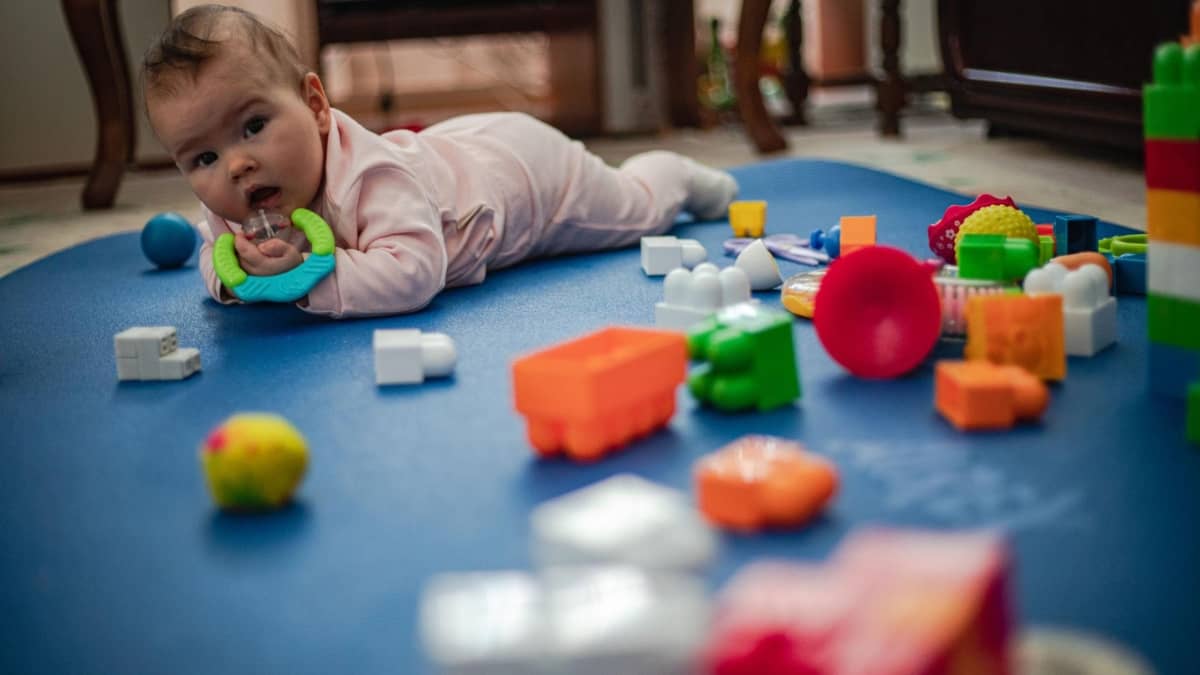
Physical setup for toddler independent play requires particular attention to safety while maintaining interesting exploration opportunities. Contained play areas with age-appropriate materials allow freedom within safe boundaries. Consider play yards, gated sections of rooms, or carefully childproofed spaces where toddlers can explore without constant adult monitoring.
Material choices for toddlers should emphasize sensory exploration, cause-and-effect relationships, and simple manipulation skills. Excellent options include large magnetic tiles, wooden blocks, board books with sturdy pages, simple puzzles with knobs, and sensory bins with safe materials like large pasta shapes or fabric squares.
Attention spans vary dramatically among toddlers, with some capable of 2-3 minutes of focused engagement while others struggle with 30 seconds of independent exploration. Start with your child’s demonstrated capacity and build gradually rather than imposing unrealistic expectations.
Toddler communication during independent play often involves narrating their actions, seeking acknowledgment of discoveries, or requesting help with frustrating challenges. Learning when to respond and when to wait requires careful observation of individual children’s patterns and needs.
The emotional aspects of toddler independent play can be intense, with rapid shifts between engagement and frustration, pride and overwhelm. Having comfort strategies readily available—favorite stuffed animals, calming music, or simple breathing techniques—supports emotional regulation during solo exploration.
Preschoolers (3 to 5 years): Expanding Imagination and Skills
Preschool children bring significantly expanded capabilities to independent play, including growing attention spans, emerging imaginative play skills, beginning project thinking, and increased ability to handle frustration and challenge.
Imaginative play becomes increasingly important during preschool years, and independent play setups should support rich fantasy exploration. Dress-up clothes, small figures, dollhouses, play kitchens, and other props that suggest storylines invite sustained imaginative engagement.
Fine motor skill development during preschool years opens opportunities for more detailed independent play activities. Simple craft projects, beginning board games, detailed puzzles, and building activities that require precision become accessible and engaging.
Preschoolers can handle more complex setup and cleanup expectations, making independent play less burdensome for adults while building responsibility and self-reliance in children. Teaching simple organizational systems and cleanup routines creates sustainable habits while building pride in self-sufficiency.
Social-emotional development during preschool years affects independent play in complex ways. Some children use solo time to process social experiences through imaginative play, while others struggle with feeling left out or abandoned during independent activities. Understanding your child’s social-emotional needs helps calibrate independent play approaches appropriately.
The increasing ability to plan and execute simple projects opens opportunities for preschool children to engage in independent play activities that span multiple sessions. Building projects, art creations, or imaginative scenarios that continue over time provide rich engagement while building persistence and project management skills.
School-Age Children (5+ years): Complex Projects and Self-Direction
School-age children bring sophisticated cognitive abilities to independent play, including complex reasoning, project planning, sustained attention, and ability to handle multi-step challenges independently.
Independent play for school-age children can involve genuinely complex projects that require planning, problem-solving, and persistence over extended periods. Science experiments, craft projects, building challenges, or creative writing projects provide appropriate complexity while building valuable skills.
The increasing importance of peer relationships during school age affects independent play dynamics. Some children use solo time to prepare for or process social interactions, while others need encouragement to maintain individual interests alongside growing social focus.
School-age children can participate meaningfully in planning and organizing their independent play experiences, choosing materials, setting up spaces, and evaluating what works well. This metacognitive involvement builds executive function skills while increasing buy-in for independent play expectations.
Academic pressures during school age can either enhance or complicate independent play. Some children benefit from unstructured creative time that balances academic demands, while others resist additional “activities” that feel like more work. Framing independent play as creative expression rather than skill-building sometimes reduces resistance.
The growing awareness of peer activities and comparisons can affect school-age children’s willingness to engage in independent play that seems “babyish” or different from what friends are doing. Understanding and addressing these social pressures helps maintain independent play as valued rather than embarrassing.
Real-Life Case Studies and Success Stories
Understanding how independent play strategies work in real family situations helps translate theoretical concepts into practical applications while providing encouragement for families facing similar challenges.
Case Study 1: The Overwhelmed Work-from-Home Parent
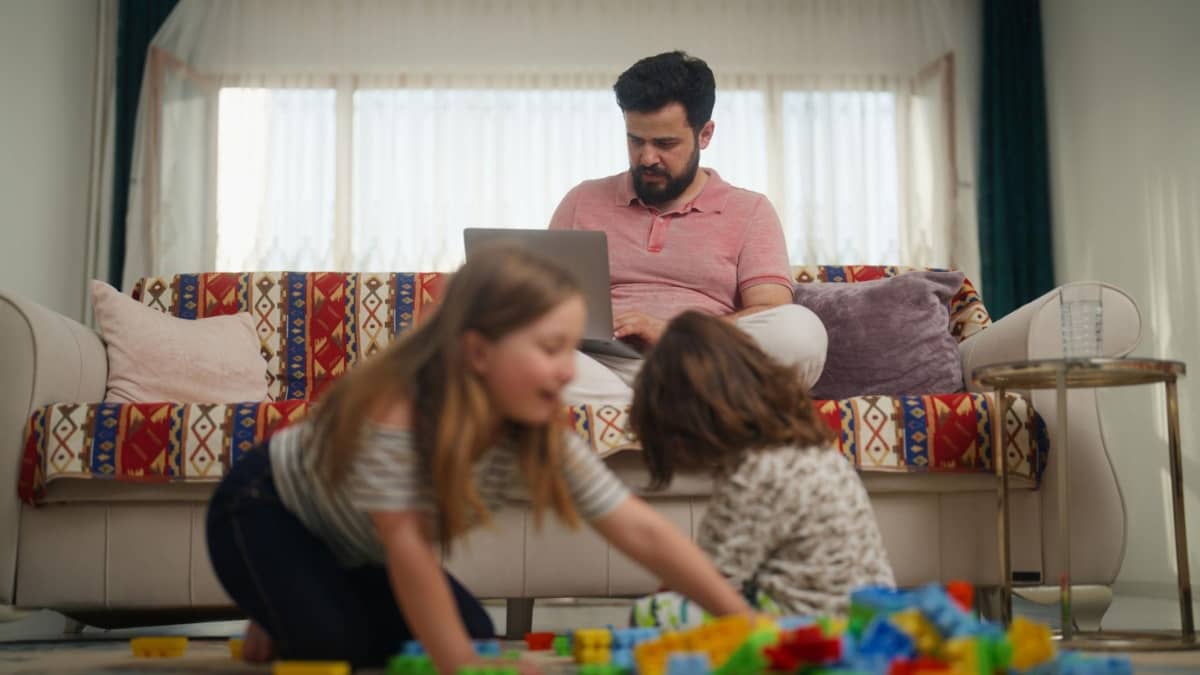
Sarah, a marketing consultant and mother of twin 4-year-olds, struggled with constant interruptions during work calls and felt guilty about needing focused work time while her children were home. Her twins, Maya and Sam, had become accustomed to constant adult attention and entertainment, making independent play seem impossible.
Sarah began by creating two separate independent play stations in different areas of their living room, recognizing that the twins often fed off each other’s energy in ways that prevented sustained solo focus. She used fabric room dividers to create distinct spaces while maintaining visual contact for safety and security.
The material selection process took several weeks of observation and experimentation. Maya gravitated toward detailed activities like puzzles, art supplies, and small building materials, while Sam preferred large motor activities like building with big blocks, active play with balance beams, and sensory bins with various textures.
Implementation started with 10-minute sessions during times when Sarah could remain nearby and responsive, gradually building to 30-minute periods that aligned with her work call schedule. She used visual timers that both children could understand and developed celebration rituals for successful independent play sessions.
The breakthrough came when Sarah realized that her twins needed different types of encouragement and support. Maya thrived with minimal adult interaction during independent play, while Sam needed more frequent check-ins and acknowledgment of his activities. Adjusting her approach to honor these individual differences resulted in both children successfully engaging in independent play while Sarah completed work tasks.
Within six weeks, both children regularly engaged in 30-45 minute independent play sessions that allowed Sarah to take client calls, complete focused work tasks, and maintain her business while providing quality attention during non-work periods. The family reported improved relationships, reduced stress, and increased confidence for all members.
Case Study 2: The Classroom Transition Challenge
Mrs. Rodriguez, a preschool teacher with fifteen 3-4 year olds, noticed that many children struggled with unstructured periods during the school day, often leading to behavioral challenges, peer conflicts, and teacher exhaustion from constant intervention needs.
She redesigned her classroom environment to include six distinct independent play stations that could accommodate 2-3 children each: a quiet book corner, an art table with rotating supplies, a building area with various construction materials, a dramatic play corner with costumes and props, a sensory table with weekly changing materials, and a puzzle and game shelf.
The implementation process involved teaching specific routines for choosing stations, using materials independently, and transitioning between activities. Mrs. Rodriguez created visual schedules and choice boards that helped children navigate options without adult direction while building decision-making skills.
Individual children showed different adaptation patterns, with some immediately embracing independent exploration while others needed weeks of scaffolding and encouragement. Mrs. Rodriguez developed individualized approaches while maintaining consistent expectations for all children.
Parent feedback indicated that children were demonstrating increased independence at home, better problem-solving skills, and improved ability to handle frustration and challenges. The classroom atmosphere became calmer and more focused, with children developing sustained attention spans and creative problem-solving abilities.
Case Study 3: The Screen Time Transition Family
The Johnson family realized their children—ages 5, 7, and 9—had become completely dependent on screens for entertainment and showed little interest in any non-digital activities. Previous attempts to limit screen time had resulted in constant complaints, sibling conflicts, and parental exhaustion from mediating boredom and resistance.
They implemented a gradual transition process that began with identifying each child’s interests and strengths outside of digital media. The 5-year-old loved animals and nature, the 7-year-old enjoyed building and creating, and the 9-year-old was interested in stories and characters.
Rather than removing screens abruptly, they created irresistible independent play opportunities that competed successfully with digital entertainment. This included a nature exploration kit for the youngest, elaborate building challenges for the middle child, and creative writing and storytelling materials for the oldest.
The transition process involved temporary removal of easy screen access during designated independent play periods while ensuring that alternative activities were significantly more appealing than whatever digital options might be available.
Success happened gradually over several months, with each child developing genuine engagement with screen-free activities. The family reported improved creativity, better sibling relationships, increased physical activity, and enhanced family conversations about children’s interests and discoveries.
Case Study 4: The Special Needs Inclusion Success
Jennifer’s son Marcus, age 6, has ADHD and sensory processing differences that made traditional independent play approaches unsuccessful. Previous attempts had resulted in either overstimulation and meltdowns or complete disengagement and resistance.
Working with Marcus’s occupational therapist, Jennifer created independent play opportunities specifically designed around his sensory needs and attention patterns. This included a quiet corner with weighted blankets and soft lighting, a standing desk height table for activities that allowed movement, and carefully curated materials that provided appropriate sensory input without overwhelm.
The approach involved much shorter time periods—starting with 2-3 minutes and building very gradually—while providing more structure and predictability than typical independent play setups. Visual schedules, consistent routines, and clear endings helped Marcus feel secure and successful.
Success markers looked different than for neurotypical children, focusing on Marcus’s ability to remain calm and engaged rather than productivity or creativity measures. Over time, he developed the ability to engage in self-chosen activities for 15-20 minutes while building confidence, self-regulation skills, and genuine enjoyment of independent exploration.
The strategies developed for Marcus proved helpful for other children in his classroom, demonstrating how inclusive approaches often benefit all children rather than just those with identified special needs.
Templates and Practical Tools for Implementation
Successful independent play implementation benefits significantly from having ready-to-use tools and templates that reduce decision-making burden during busy family life while ensuring consistency in approaches that build skills over time.
Daily Independent Play Schedule Template
Creating predictable rhythms around independent play helps both children and adults prepare mentally while building habits that make implementation easier and more sustainable long-term.
Morning Schedule Option:
- 8:00-8:15: Breakfast cleanup and play area preparation
- 8:15-8:30: Independent play session #1 (quiet activities)
- 8:30-8:45: Shared activity or outdoor time
- 8:45-9:00: Independent play session #2 (active/building activities)
Afternoon Schedule Option:
- 1:00-1:15: Post-lunch quiet time setup
- 1:15-1:45: Extended independent play session
- 1:45-2:00: Cleanup and sharing time
- 2:00-2:30: Group activity or outing
Weekly Planning Template
Planning independent play opportunities week by week ensures variety while maintaining structure and allows for preparation of materials and spaces in advance.
Monday – Creative Focus:
- Art supplies: paper, crayons, stickers
- Play invitation: collage materials on tray
- Backup activity: play dough with tools
Tuesday – Building Challenge:
- Block set with themed additions
- Challenge card: “Build something taller than you”
- Backup activity: magnetic tiles
Wednesday – Sensory Exploration:
- Sensory bin with weekly theme
- Tools for scooping, pouring, sorting
- Backup activity: textured materials exploration
Thursday – Quiet Reflection:
- Book selection with pillows
- Audio stories with headphones
- Backup activity: simple puzzles
Friday – Choice Day:
- Child selects from prepared options
- Combination materials available
- Backup activity: free exploration time
Material Rotation Tracking Sheet
Keeping simple records of material rotations prevents repetition while helping identify combinations that produce particularly rich engagement.
Week | Set A Materials | Set B Materials | Child Interest Level | Notes |
1 | Blocks, vehicles | Art kit, scissors | High engagement with vehicles | Need more variety in blocks |
2 | Art kit, scissors | Puzzle collection | Moderate interest | Scissors still challenging |
3 | Puzzle collection | Sensory bin items | High puzzle engagement | Ready for harder puzzles |
Problem-Solving Decision Tree
When independent play challenges arise, having systematic approaches prevents impulsive reactions while building problem-solving skills for both children and adults.
If child resists starting independent play:
- Check timing: hunger, fatigue, overstimulation?
- Assess difficulty level: too easy or too challenging?
- Review environment: distractions, comfort, safety?
- Consider relationship: need for connection first?
If child interrupts constantly:
- Reduce activity difficulty temporarily
- Practice brief wait times before responding
- Provide specific language: “I’ll check on you in 5 minutes”
- Ensure genuine needs are met before starting
If independent play ends in tears:
- Comfort first, problem-solve later
- Review what happened without judgment
- Adjust expectations for next time
- Celebrate any positive moments that occurred
Celebration and Documentation Templates
Building positive associations with independent play benefits from intentional celebration and documentation that help children and adults notice growth and success.
Daily Success Recording
- Time engaged: _____ minutes
- Materials used: _____________
- New skills observed: _________
- Child’s favorite moment: _____
- Tomorrow’s goal: ___________
Weekly Growth Reflection
- This week’s biggest success: ___________
- Challenge we worked through: _________
- New interest discovered: _____________
- Goal for next week: _______________
Conclusion and Action Steps
Independent play represents one of the most valuable gifts we can offer children—the confidence to explore, create, and discover within their own minds and capabilities. Through the strategies, examples, and tools outlined in this comprehensive guide, you now have everything needed to transform independent play from occasional accident into intentional, regular practice that enriches your child’s development while supporting family well-being.
The journey toward successful independent play rarely happens overnight, and different children will progress at vastly different rates based on temperament, previous experiences, and individual developmental patterns. Some children embrace solo exploration immediately, while others need months of gentle encouragement and scaffolding. Both responses are completely normal and should be honored while maintaining consistent, patient support for growth.
Remember that the goal isn’t creating children who prefer isolation or don’t need adult connection—quite the opposite. Children who develop strong independent play skills often show enhanced ability to engage meaningfully in group activities, demonstrate increased creativity in problem-solving, and bring more interesting ideas and perspectives to shared experiences.
The implementation process outlined here provides a framework rather than rigid requirements. Adapt timeframes, materials, and approaches based on your family’s unique circumstances while maintaining the core principles of safety, gradual progression, and celebration of effort over outcome.
Most importantly, view independent play development as an investment in your child’s long-term capabilities rather than a short-term convenience. The skills children develop through regular independent play—creativity, persistence, problem-solving, emotional regulation, and intrinsic motivation—serve them throughout life in academic, social, and professional contexts.
Your Next Steps:
- Observe your child’s current play patterns for 3-5 days without making changes
- Select one environmental modification to implement this week
- Choose one strategy from the guide that feels most manageable for your situation
- Begin with shorter timeframes than you think your child can handle
- Document successes and challenges to track progress over time
- Celebrate small victories and adjust approaches based on what you learn
Independent play skills flourish in environments characterized by patience, consistency, and genuine appreciation for children’s natural curiosity and capabilities. Trust in your child’s inherent drive to explore and learn, provide appropriate support and materials, and watch as they develop confidence in their own abilities to create, discover, and grow.
The investment you make in encouraging independent play today will yield dividends for years to come, creating children who approach challenges with confidence, who find joy in their own creativity, and who understand that their minds are powerful tools for exploration and discovery. These are gifts that last lifelong and contribute to raising individuals who are both self-reliant and deeply connected to the world around them.





1 Comment
Your comment is awaiting moderation.
I have been searching for a trustworthy place to unwind and this site delivers exactly what I needed. The library is massive and the visuals look fantastic on every screen I tested. Support staff walked me through my first round with such patience and kindness. It is refreshing to play somewhere that truly puts people first. Visit bbrbetjugar
Your comment is awaiting moderation.
I have been searching for a trustworthy place to unwind and this site delivers exactly what I needed. The library is massive and the visuals look fantastic on every screen I tested. Support staff walked me through my first round with such patience and kindness. It is refreshing to play somewhere that truly puts people first. Visit bbrbetjugar
Your comment is awaiting moderation.
I just finished creating my profile and honestly the whole process felt like chatting with an old friend. The welcome pack arrived instantly and I already noticed how fair the game math looks. Give it a try and see why I keep coming back.
adapt to diverse classrooms and evolving standards. Whether you’re a preschool teacher crafting play-based lessons or a high school instructor integrating AI tools, professional development keeps you