

Creative writing isn’t just about putting words on paper — it’s a gateway for children to explore worlds far beyond their everyday experiences while building essential skills like critical thinking, emotional intelligence, and communication. Whether your child is a budding storyteller or just getting started, the right creative writing prompts for kids can make all the difference between a blank page and a brilliant adventure.
These 50 carefully curated creative writing prompts for kids are designed to ignite curiosity, nurture self-expression, and help young writers discover their unique voices. Perfect for parents, teachers, and workshop facilitators alike, each prompt turns what might feel like homework into an exciting journey through imagination — one story at a time.
Why Creative Writing Is Important for Kids
Creative writing represents one of the most valuable educational tools available for supporting children’s comprehensive development. The benefits extend far beyond simple literacy acquisition, encompassing cognitive, emotional, and social growth that shapes young learners into confident, articulate individuals.

Boosting Imagination and Creativity
Creative writing serves as a gateway to unlimited possibilities, allowing children to explore worlds beyond their immediate experience. When children engage with writing prompts, they develop the ability to think outside conventional boundaries and generate innovative solutions to narrative challenges. This creative exploration encourages kids to envision scenarios they might never encounter in real life, from magical kingdoms to futuristic societies, thereby expanding their capacity for imaginative thinking.
The process of creative writing requires children to visualize characters, settings, and plot developments, strengthening their ability to form mental images and manipulate abstract concepts. Teachers encourage students to explore new ideas and devise creative solutions to problems, fostering intellectual flexibility that benefits academic performance across all subjects. This enhanced creativity becomes a transferable skill, helping children approach challenges in mathematics, science, and social studies with greater innovation and resourcefulness.
Research demonstrates that regular creative writing practice helps children develop what educators call “divergent thinking” – the ability to generate multiple solutions to a single problem. This cognitive flexibility proves invaluable as children navigate increasingly complex academic and social situations throughout their educational journey.
Enhancing Literacy and Vocabulary
Creative writing provides an authentic context for vocabulary development that surpasses traditional memorization methods. When children encounter the need to describe a mystical creature or explain a character’s emotions, they naturally seek out more sophisticated and precise language to convey their intended meaning. This organic vocabulary acquisition occurs within meaningful contexts, making new words more memorable and accessible for future use.

The process of creative writing also strengthens reading comprehension skills as children become more attuned to narrative structure, character development, and descriptive language in the texts they encounter. Students who engage regularly in creative writing demonstrate improved reading skills because they gain deeper insights from the texts they read, understanding how authors craft compelling narratives. This bidirectional relationship between reading and writing creates a reinforcing cycle that accelerates literacy development.
Furthermore, creative writing helps children internalize grammar and syntax patterns through practical application rather than isolated drill exercises. As young writers work to communicate their ideas clearly, they naturally develop sensitivity to sentence structure, punctuation usage, and paragraph organization that transfers to all forms of written communication.
Encouraging Emotional Expression and Confidence
Creative writing provides children with a safe outlet for processing complex emotions and experiences that they might struggle to articulate in direct conversation. Through fictional narratives, young writers can explore challenging topics such as friendship conflicts, family dynamics, or personal fears without feeling exposed or vulnerable. This therapeutic aspect of creative writing supports emotional intelligence development and helps children build resilience.
The act of completing a creative writing piece, regardless of length or complexity, builds confidence and self-efficacy in young learners. Children experience the satisfaction of bringing their imaginative visions to life on paper, developing a sense of authorship and creative ownership that extends beyond writing activities. This growing confidence in self-expression often transfers to other areas of academic and social engagement.
Creative writing also helps children develop empathy by encouraging them to consider multiple perspectives and create diverse characters with varying motivations and backgrounds. As young writers craft dialogue and explore character relationships, they practice understanding viewpoints different from their own, fostering social awareness and emotional maturity.
How to Use Writing Prompts Effectively
Successful implementation of writing prompts requires thoughtful planning and an understanding of how to create optimal conditions for creative expression. The effectiveness of writing prompts depends not only on their content but also on how they are introduced and supported within the learning environment.

Tips for Parents and Educators
When introducing writing prompts to children, starting small proves most effective for building confidence and maintaining engagement. Dedicate just a few minutes each day to writing prompts, working with 1-2 simple prompts at a time to avoid overwhelming young writers. Over time, children develop the stamina and enthusiasm to tackle more complex prompts and extend their writing sessions naturally.
Setting clear time boundaries helps maintain focus and prevents children from becoming frustrated with open-ended expectations. Grab a timer and give children only 5-15 minutes per prompt initially, which creates a sense of urgency that motivates immediate action rather than extended deliberation. This time constraint also ensures that writing prompt activities complement rather than replace other essential learning activities.
Maintaining a free-form approach to prompt responses encourages experimentation and reduces performance anxiety. Remember that no one needs to see what children have written besides them, so they shouldn’t feel pressured to adhere to specific structures or styles. Instead, this represents an opportunity for young writers to experiment with new perspectives, different narrative voices, and varied literary techniques without fear of judgment.
Consider creating a rotating system where children can choose their prompts from a collection rather than being assigned specific topics. This element of choice increases engagement and allows children to gravitate toward themes that resonate with their current interests and emotional needs.
Creating a Supportive Writing Environment
Establishing an inclusive writing environment is crucial for encouraging all children to participate fully in creative writing activities. Creating a safe and supportive space for children to express themselves requires clear behavioral expectations, respect and empathy among peers, and a nurturing atmosphere that welcomes diverse perspectives. This foundation allows children to take creative risks without fear of ridicule or criticism.
Providing diverse and representative resources helps all children see themselves reflected in the writing process. Include books, articles, and other materials that feature characters from various ethnicities, genders, abilities, and family structures. This exposure to different perspectives helps children develop empathy and understanding while providing inspiration for their own creative narratives.
Encouraging collaboration and teamwork creates opportunities for peer learning and support. Group activities and projects foster community feelings and help children learn from one another’s creative approaches. Working together allows children to develop important social skills while discovering that multiple valid approaches exist for every creative challenge.
Supporting individual learning styles ensures that all children can access and benefit from writing prompt activities. Provide various tools and strategies that accommodate different learning preferences, including visual aids, audio resources, and hands-on activities. This multi-modal approach allows each child to engage with the writing process in ways that suit their strengths and interests.
When and How Often to Use Prompts
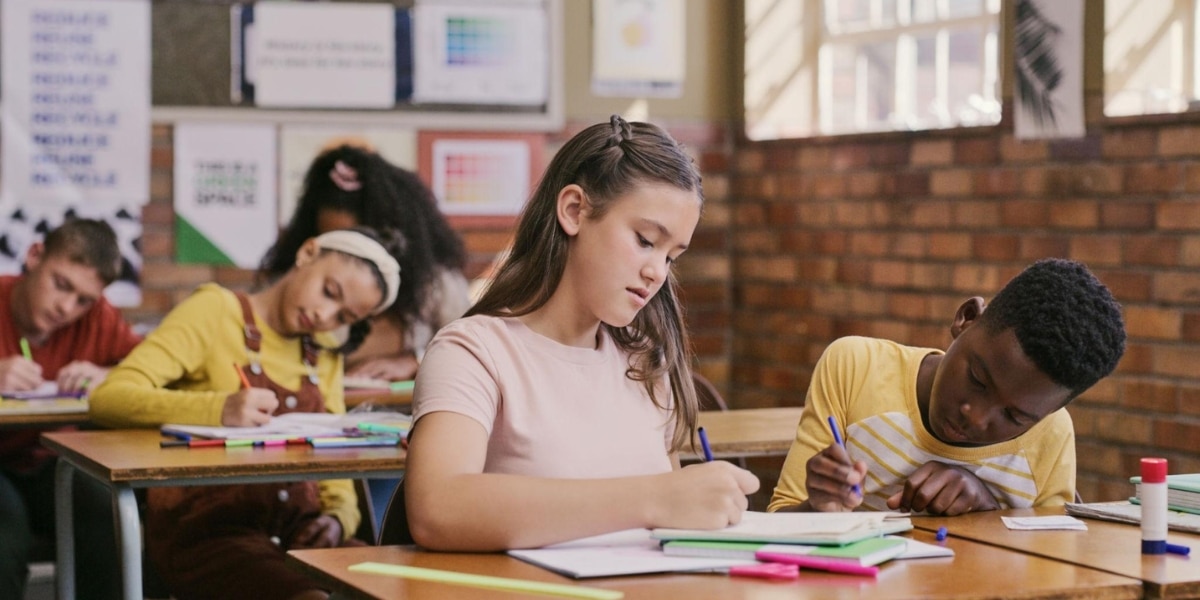
Writing prompts work most effectively when integrated into regular routines rather than used sporadically. Daily or several-times-per-week engagement helps children develop writing fluency and confidence, while also establishing creative writing as a normal and enjoyable part of their learning experience.
Morning warm-up sessions provide an excellent opportunity for writing prompt activities, as children arrive with fresh energy and open minds. Alternatively, using prompts as transition activities between subjects can help maintain engagement while providing mental breaks from more structured academic content.
Consider seasonal or thematic cycles that align prompts with current events, holidays, or academic topics. This integration helps children make connections between their creative writing and other learning experiences while maintaining relevance and interest throughout the school year.
50 Fun and Creative Writing Prompts for Kids
The following collection of writing prompts has been carefully designed to engage children across various interests, developmental levels, and creative preferences. Each prompt offers multiple possibilities for exploration and can be adapted to suit individual needs and classroom objectives.

Imaginative & Fantasy Prompts for Creative Writing
Prompt 1: Write a story about a magical animal who visits your backyard. Consider what special powers this animal might possess and why it chose your particular backyard for its visit. What friendship develops between you and this magical creature?
Prompt 2: Imagine you wake up with superpowers—what happens next? Think about the responsibility that comes with special abilities and how you would use them to help others or solve problems in your community.
Prompt 3: Describe a day in the life of your favorite toy. What adventures does your toy experience when you’re not around? Does it have feelings, thoughts, and relationships with other toys?
Prompt 4: Write a letter to your future self. What do you want to remember about this time in your life? What hopes and dreams do you want to share with the person you’ll become?
Prompt 5: Create a story set in a world made entirely of candy. How do people live in this sweet world? What challenges might they face, and what would be the best parts of living there?
Prompt 6: Invent a new holiday and explain how people celebrate it. What traditions would develop around your holiday? What foods, decorations, and activities would make it special?
Prompt 7: You’re the teacher for a day—what do you teach? What subjects would you include in your perfect school day? How would you make learning fun and engaging for your students?
Prompt 8: Your pet starts talking. What does it say? What secrets might your pet reveal about its daily experiences? What advice or observations would it share about your family?
Prompt 9: If you could travel to any time in history, where would you go? What period fascinates you most, and what would you want to see or experience during your time travel adventure?
Prompt 10: You find a secret door in your house. What’s behind it? Where does this mysterious passage lead? What treasures, challenges, or surprises await your discovery?

Nature and Outdoor Prompts Based on Kids’ Real-Life Experiences
Prompt 11: Pretend you are a tree. What do you see and feel during the seasons? How do the changing seasons affect your growth and the creatures that depend on you for shelter and food?
Prompt 12: Describe your perfect day in nature. What outdoor activities would fill your ideal day? What sights, sounds, and experiences would make it memorable?
Prompt 13: Write a story about two animals who become friends in the forest. How do these different species overcome their differences to form an unlikely friendship? What adventures do they share?
Prompt 14: What would happen if the sun didn’t rise one day? How would the world change if this extraordinary event occurred? What would people and animals do to adapt?
Prompt 15: If you could talk to animals, which one would you talk to first and why? What questions would you ask, and what do you think this animal would want to tell you about its life?
Everyday Life & Realistic Fiction Prompts
Prompt 16: Write about a time you helped someone and how it made you feel. Describe the situation, your actions, and the impact your help had on both you and the person you assisted.
Prompt 17: Describe your dream birthday party from beginning to end. What location, activities, guests, and special touches would make your celebration perfect?
Prompt 18: If you could change one school rule, what would it be and why? Consider the reasons behind current rules and how your change would improve the school experience for everyone.
Prompt 19: Imagine you’re starting a new school. Describe your first day. What emotions would you experience? How would you make new friends and navigate this unfamiliar environment?
Prompt 20: Write about your favorite family tradition. What makes this tradition special to your family? How did it start, and why do you continue to celebrate it?

Social-Emotional Learning Prompts
Prompt 21: What do you do when you feel really angry? Describe healthy strategies for managing strong emotions and how you’ve learned to cope with difficult feelings.
Prompt 22: Write about a time you were proud of yourself. What accomplishment or moment filled you with pride? How did you overcome challenges to achieve this success?
Prompt 23: How would you help a friend who feels sad? What words, actions, or activities would you use to comfort someone who is going through a difficult time?
Prompt 24: Describe a time you made a mistake and what you learned. How did you handle the situation? What important lessons did this experience teach you about yourself and others?
Prompt 25: Write a letter to your future self. What do you want to remember about your current thoughts, feelings, and experiences? What advice would you give to your older self?
Funny & Silly Prompts
Prompt 26: If your pet could talk, what would it say? What hilarious observations might your pet make about human behavior? What complaints or compliments would it share?
Prompt 27: Write a story where everything in the world is made of candy. How would this sweet world function? What funny problems would people face in their daily lives?
Prompt 28: You accidentally turn into your teacher for a day—what happens? How would you handle teaching your own class? What would be the most challenging and amusing parts of this experience?
Prompt 29: A spaghetti monster shows up at dinner. What do you do? How would your family react to this unusual dinner guest? What adventure might unfold?
Prompt 30: Describe the wackiest dream you can imagine. Let your imagination run completely wild—what bizarre and hilarious scenarios would make the ultimate silly dream?
Mystery & Adventure Prompts
Prompt 31: You find a mysterious map in the attic. What do you do next? Where does the map lead? What clues must you follow to solve its mystery?
Prompt 32: A secret message appears in your cereal. What does it say? Who sent this message and why? What adventure or mystery does it set in motion?
Prompt 33: You hear strange noises in the school library. Investigate! What could be causing these mysterious sounds? What do you discover during your investigation?
Prompt 34: Describe a time you got lost in a huge maze. How did you find your way out? What interesting discoveries did you make while navigating the confusing pathways?
Prompt 35: Write a story where you and your best friend solve a crime. What mystery needs solving? How do you work together to gather clues and catch the culprit?
Science & Space Prompts
Prompt 36: You’re an astronaut on a new planet. What do you discover? What does this alien world look like? What fascinating creatures or phenomena do you encounter?
Prompt 37: Design your own robot and explain what it does. What special functions would your robot perform? How would it help people in their daily lives?
Prompt 38: Write a story about a talking comet. What wisdom would this ancient space traveler share? What stories would it tell about its journeys through the universe?
Prompt 39: Invent a new gadget that would make life easier. What problem does your invention solve? How does it work, and who would benefit from using it?
Prompt 40: Describe a day in the life of a time traveler. What different time periods does this person visit? What challenges and adventures do they face?
Animal-Themed Prompts
Prompt 41: If you were a bird for a day, where would you go? What would it feel like to soar through the sky? What interesting sights would you see from above?
Prompt 42: Create a new animal by combining two existing ones. What is it like? Describe this unique creature’s appearance, habitat, and special abilities.
Prompt 43: Imagine you’re a cat living in a royal palace. What would your pampered life be like? What royal duties or adventures would you experience?
Prompt 44: What would pets write about if they kept diaries? What daily observations and experiences would fill these animal journals?
Prompt 45: Write a story about a zoo escape adventure. Which animals participate in the great escape? How do they work together to regain their freedom?
Journal & Reflection Prompts
Prompt 46: What makes you unique? Consider your special talents, interests, and qualities that set you apart from others.
Prompt 47: What would you do with a million dollars? How would you spend this fortune? What charitable causes or personal dreams would you support?
Prompt 48: Write about your favorite memory and why it’s special. What details make this memory so meaningful? How does it make you feel when you remember it?
Prompt 49: What’s one goal you want to accomplish this year? What steps will you take to achieve this goal? Who might help you along the way?
Prompt 50: If you could live anywhere in the world, where would it be? What attracts you to this place? How would your life be different there?
Adapting Prompts for Different Age Groups
Successfully implementing writing prompts requires understanding how to modify approaches based on children’s developmental stages and capabilities. Each age group brings unique strengths and challenges that influence how they engage with creative writing activities.
Writing Prompts for Ages 5–7
Young children in this age group benefit from highly visual and concrete prompts that connect to their immediate experiences and interests. Their writing may include more illustrations than text, which should be celebrated as valid forms of storytelling and self-expression. Encourage children to draw pictures alongside their words, as this multi-modal approach supports comprehension and creativity.
For emerging writers, focus on prompts that encourage oral storytelling before written expression. Children can dictate their stories to adults who transcribe their ideas, allowing young minds to explore complex narratives without being limited by developing fine motor skills or spelling abilities. Simple prompts work best: “Tell me about your favorite animal” or “What happened when you lost your tooth?”
At this stage, celebrate invented spelling and focus on idea generation rather than mechanical correctness. Children should feel free to use pictures, symbols, and creative letter combinations to express their thoughts. The goal is building confidence and enthusiasm for storytelling rather than producing polished written products.
Writing Prompts for Ages 8–10
Children in this intermediate stage can handle more complex narrative structures and abstract concepts while still benefiting from concrete starting points. They’re developing stronger vocabulary and can engage with prompts that require character development, simple plot structures, and descriptive language.
Introduce prompts that encourage perspective-taking and empathy, such as writing from an animal’s point of view or describing events from multiple characters’ perspectives. These children can begin exploring different genres, from realistic fiction to fantasy adventures, while developing their unique voices and preferences.
Encourage experimentation with different writing formats, including letters, diary entries, news reports, and scripts. This variety helps children discover their strengths and interests while building versatility in written communication. They can also begin engaging in peer feedback sessions, learning to give and receive constructive suggestions about their creative work.
Writing Prompts for Ages 11–13
Older elementary and middle school students can tackle sophisticated prompts that involve moral dilemmas, complex character relationships, and abstract themes. They’re capable of sustaining longer narratives and developing intricate plot lines with multiple characters and settings.
These students benefit from prompts that connect to their growing awareness of social issues and global concerns. They can explore themes of friendship, identity, environmental protection, and social justice through their creative writing. Encourage them to research topics that interest them and incorporate factual elements into their fictional narratives.
At this level, students can engage in more formal writing processes, including brainstorming, outlining, drafting, revising, and publishing. They can also participate in writing workshops, peer editing sessions, and literary discussions about published works that inspire their own creative efforts.
More Creative Writing Activities for Kids
Expanding beyond traditional prompts offers children diverse pathways to creative expression while maintaining engagement and building different aspects of their writing abilities. These varied approaches help address different learning styles and preferences.
Story Cubes and Visual Prompts
Visual storytelling tools provide excellent alternatives for children who respond better to images than text-based prompts. Story cubes featuring pictures, symbols, or words can be rolled to generate random combinations that spark unexpected narrative directions. Children roll the cubes and must incorporate all the images into a single story, encouraging flexibility and creative problem-solving.
Photography prompts offer another visual approach to creative writing. Children can either take their own photographs or respond to provided images, using visual details as springboards for narrative development. This method particularly appeals to visual learners and helps children develop observational skills alongside their writing abilities.
Art integration activities combine drawing, painting, or collage creation with storytelling elements. Children might create a character through artwork and then write about that character’s adventures, or they might illustrate scenes from stories they’ve written. This multi-modal approach supports different learning styles while reinforcing the connection between visual and written communication.
Collaborative Storytelling Games
Round-robin storytelling creates opportunities for peer interaction while reducing individual pressure for complete narrative development. One child begins a story, writes for a predetermined time or word count, then passes the story to the next participant. This collaborative approach generates unexpected plot developments while teaching children to build upon others’ ideas.
Story completion activities provide partial narratives that children must finish, helping them understand story structure while practicing conclusion writing. These exercises can focus on specific skills such as conflict resolution, character development, or descriptive writing, depending on the provided story segment.
Character trading games allow children to create characters that other classmates must use in their stories. This activity encourages detailed character development while providing inspiration for writers who struggle with character creation. Children learn to work with constraints while developing empathy for different personality types and backgrounds.
Journaling and Reflection Exercises
Daily writing journals provide consistent practice opportunities while allowing children to explore personal interests and experiences. Free-writing sessions, where children write continuously for short periods without stopping to edit, help develop fluency and overcome perfectionism that can inhibit creative expression.
Gratitude journals focus on positive experiences and help children develop appreciation for daily life while practicing descriptive writing. Children can write about people they appreciate, experiences they enjoyed, or simple pleasures they noticed throughout their day.
Response journals allow children to react to books they’re reading, movies they’ve watched, or experiences they’ve had. This reflective writing helps develop critical thinking skills while providing authentic reasons for written communication. Children learn to analyze and articulate their responses to various media and experiences.

Final Thoughts: Encouraging a Lifelong Love of Writing
Creating positive associations with creative writing during childhood establishes foundations for lifelong communication skills and personal expression. The goal extends beyond immediate academic benefits to encompass the development of confident, articulate individuals who view writing as a powerful tool for sharing ideas and connecting with others.
Successful creative writing programs emphasize process over product, celebrating effort and creativity rather than focusing solely on mechanical correctness. Children who feel safe to experiment, make mistakes, and revise their work develop resilience and growth mindsets that benefit all areas of learning and personal development.
Remember that every child’s creative journey unfolds differently, and what inspires one young writer may not resonate with another. Providing diverse prompts, formats, and approaches ensures that all children can find entry points into creative expression that match their interests, abilities, and learning styles.
The most important element in fostering children’s creative writing development is consistent encouragement and authentic enthusiasm for their efforts. When adults demonstrate genuine interest in children’s stories and ideas, young writers develop confidence in their voices and motivation to continue exploring the endless possibilities that creative writing offers.
Recommended Resources and Tools
Supporting children’s creative writing development benefits from access to quality resources that extend learning beyond individual writing sessions. These tools help maintain engagement while providing additional structure and inspiration for ongoing creative growth.
Printable Prompt Cards
Creating physical prompt cards allows for flexible use across different settings and situations. Parents and teachers can prepare cards in advance, allowing children to select prompts that appeal to their current interests or moods. Laminated cards prove particularly durable for classroom use and can be organized by theme, difficulty level, or writing format.
Digital prompt generators offer endless variety while maintaining convenience for busy educators and parents. Many websites and apps provide age-appropriate prompts that can be filtered by genre, topic, or writing format. These tools prove especially useful for children who struggle with choice paralysis when facing too many options.
Fun Writing Apps for Kids
Technology integration can enhance rather than replace traditional writing instruction when implemented thoughtfully. Kid-friendly writing apps often include features such as voice recording, illustration tools, and sharing capabilities that appeal to digital natives while supporting various learning styles.
Story creation apps allow children to combine text, images, and even audio elements to create multimedia narratives. These tools particularly benefit visual learners and children who struggle with traditional text-only formats. Many apps also include publishing features that allow children to share their work with family members or classmates.
Books That Inspire Creative Writing
Mentor texts provide excellent models for different writing techniques and genres while inspiring children’s own creative efforts. Picture books work well for all ages, demonstrating how authors use descriptive language, develop characters, and structure narratives within limited space.
Poetry collections introduce children to different forms of creative expression while demonstrating how writers use rhythm, imagery, and word choice to create emotional impact. Reading diverse poetry helps children understand that creative writing encompasses many formats beyond traditional story narratives.
Young adult novels provide sophisticated examples of character development, plot structure, and thematic exploration for older elementary students ready for more complex literary models. These books often address topics relevant to children’s developing social awareness and identity formation.